Facilities management (FM) for embassies and consulates goes far beyond keeping buildings running. These are sovereign sites requiring specialised levels of security, reliability, and adaptability.
For nearly two centuries, CPG Corporation has been a key pillar in shaping Singapore’s modern landscape, having transformed from its roots in the Public Works Department to one of Asia’s most respected infrastructure and urban solutions firms.
Earlier this year, CPG FM was inducted into the Workplace Safety and Health (WSH) Advocate Programme by the WSH Council. At CPG FM, workplace safety is not just a compliance requirement, it is a shared commitment to care for the people who build, maintain, and sustain our environments.
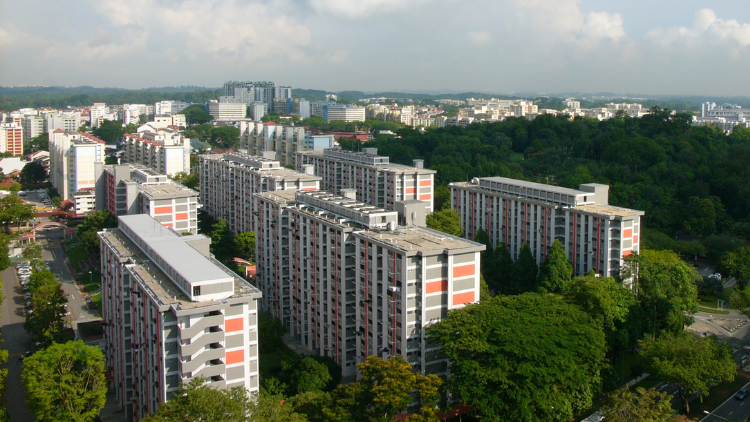
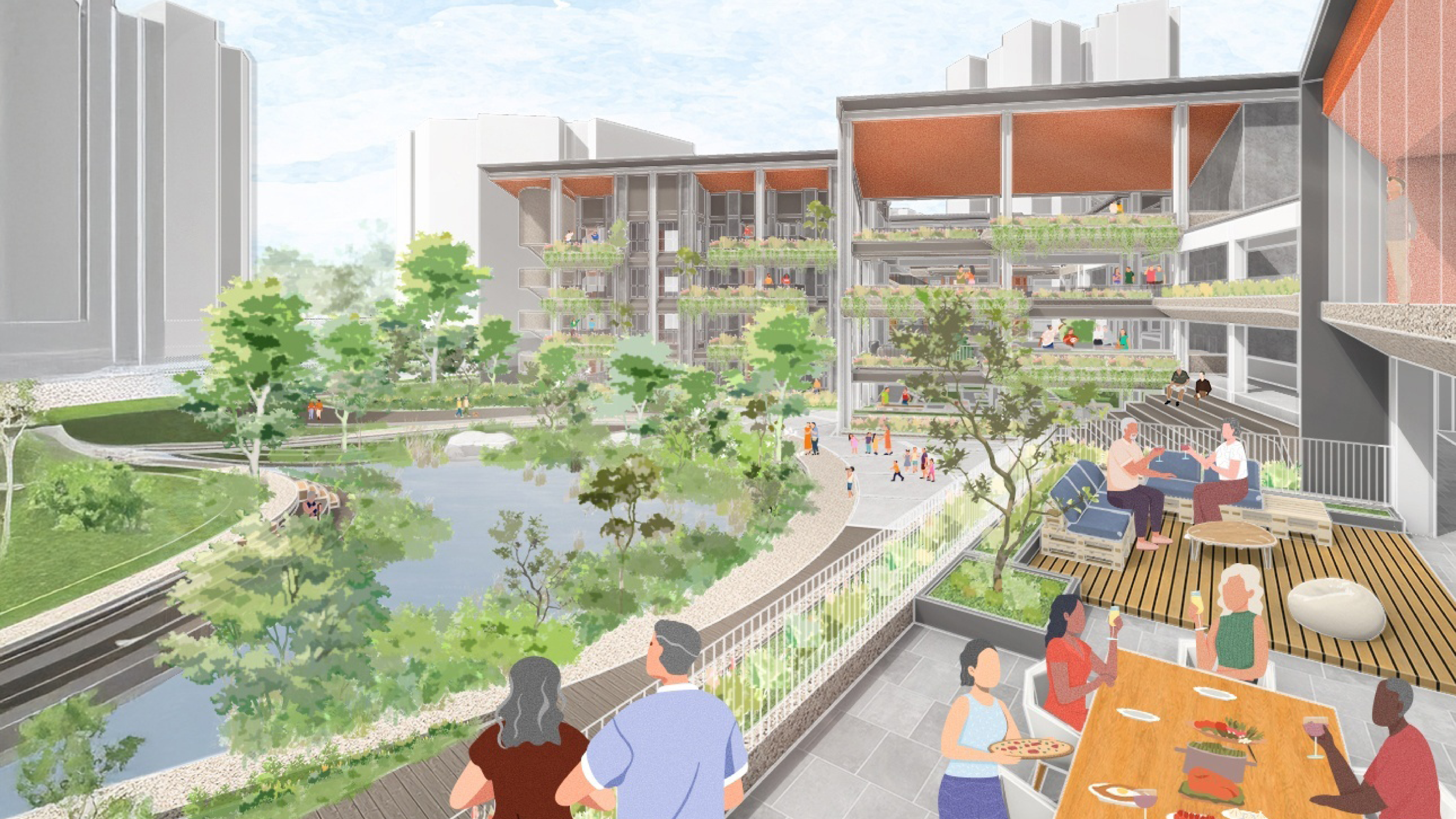
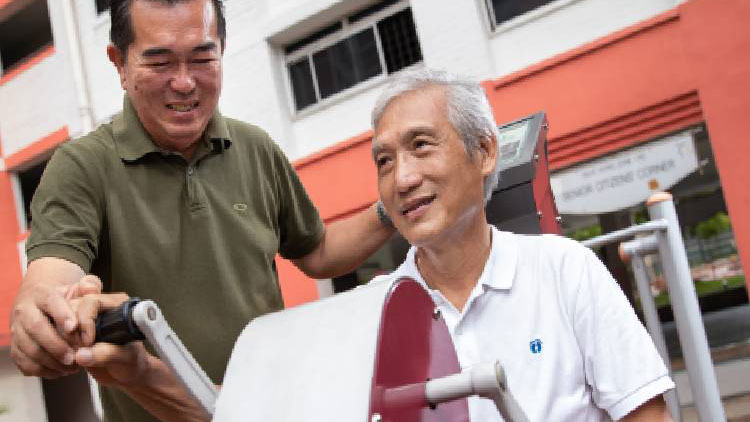
As Singapore’s ageing population grows, new approaches to senior living are needed. With rising interest in co-living for seniors, CPG’s Design & Research Office (DRO) explores how thoughtful design of common and circulation spaces can foster dignity, independence, and social well-being in senior communities.
If you could write to your younger self, what would you say?
Mr Tan Cheng Chuah, Deputy Group Chief Executive Officer of CPG Corporation, reflects on nearly 30 years in construction and project management to share the lessons, experiences, and insights that have shaped his journey.
If you could write to your younger self, what would you say?
We asked our Group Chief Development Officer, Ms Nina Yang, to reflect on the path she has taken across disciplines, sectors, and geographies, and the advice she would offer to her younger self, not just in her professional life, but in the way she sees her role and purpose today.
Beside Wangjiazhuang subway station in Chongqing’s Yubei District, a new type of community is taking shape. “City of Inspiration” (重庆之丘) is more than a development project. It is a vision of how transit, commerce, and community can converge to create a new way of urban living.
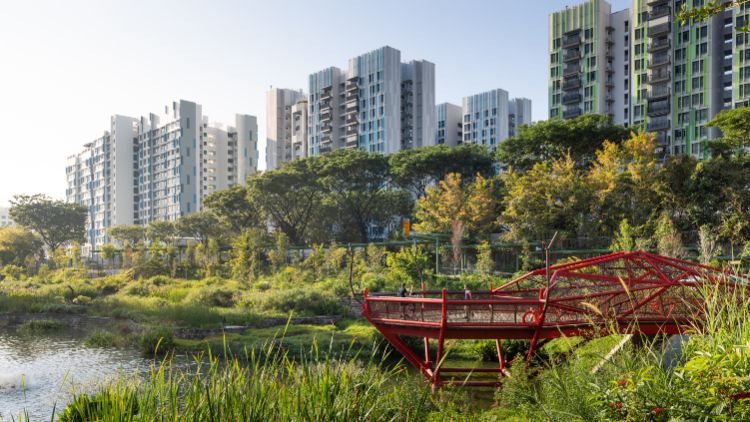
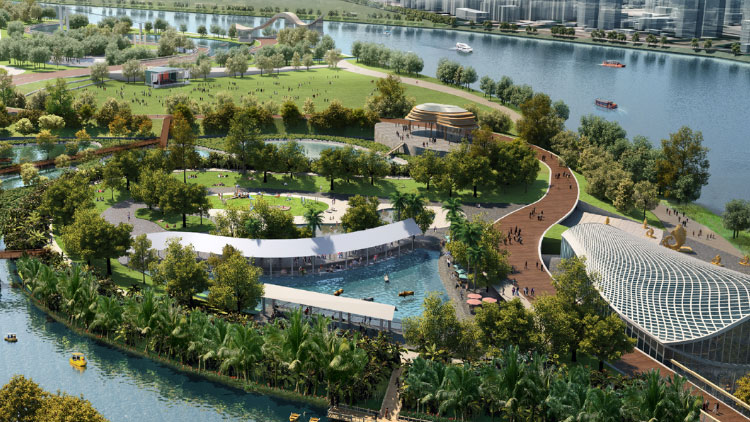
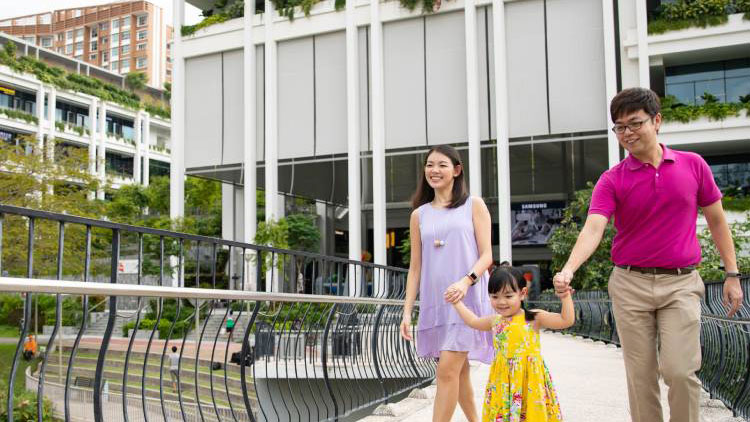
Bidadari Park, a newly opened park nestled in the heart of the Bidadari estate, is the latest addition to the network of parks that adorn Singapore as a City in Nature.
If you could write to your younger self, what would you say?
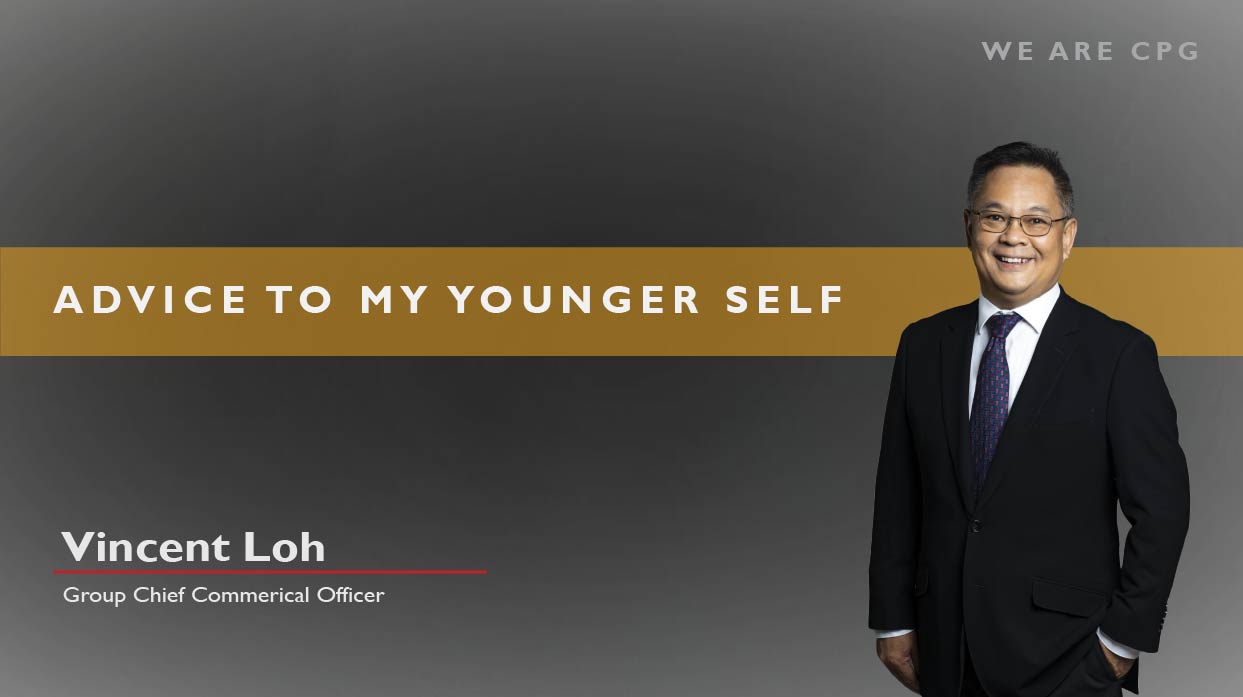
Mr Vincent Loh, Group Chief Commercial Officer of CPG Corporation and Chief Executive Officer of CPG International, learnt some of his most enduring lessons by stepping into the unknown and embracing challenges.
If you could write to your younger self, what would you say?
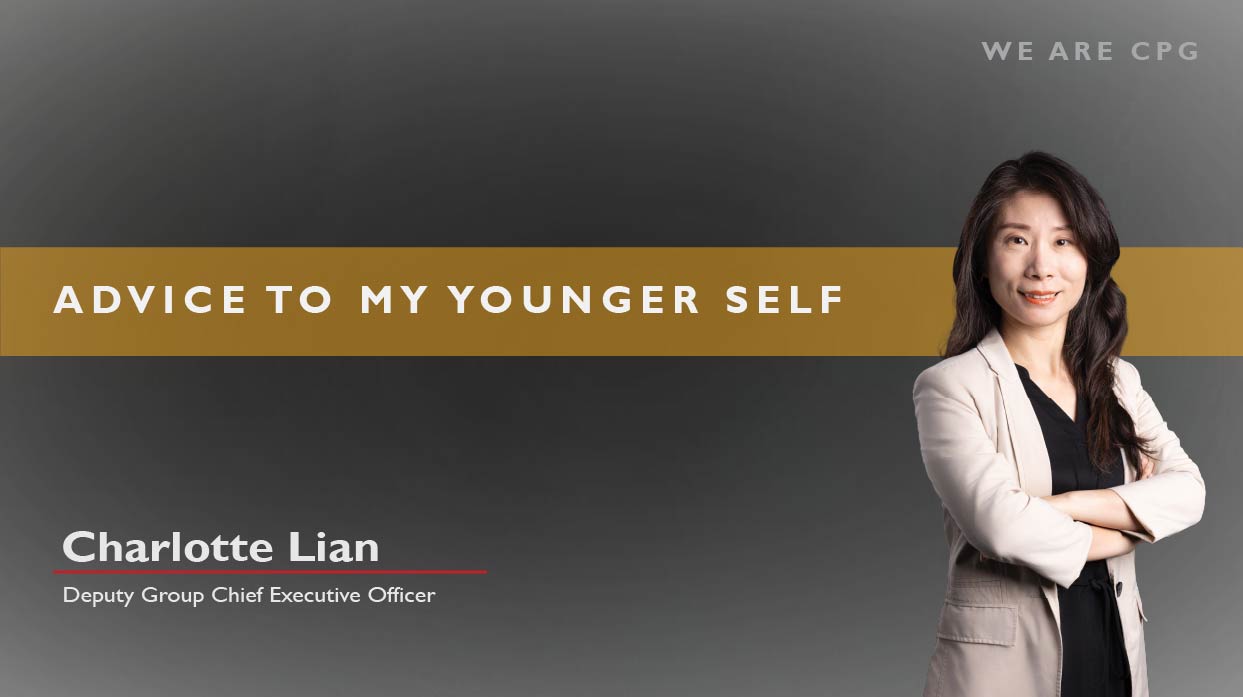
For Ms Charlotte Lian, Deputy Group CEO of CPG Corporation, the lessons that matter most were not taught in classrooms or meetings but shaped slowly through experience. In this piece, she shares what she would tell her younger self, not as a list of achievements to chase, but as values to hold on to.
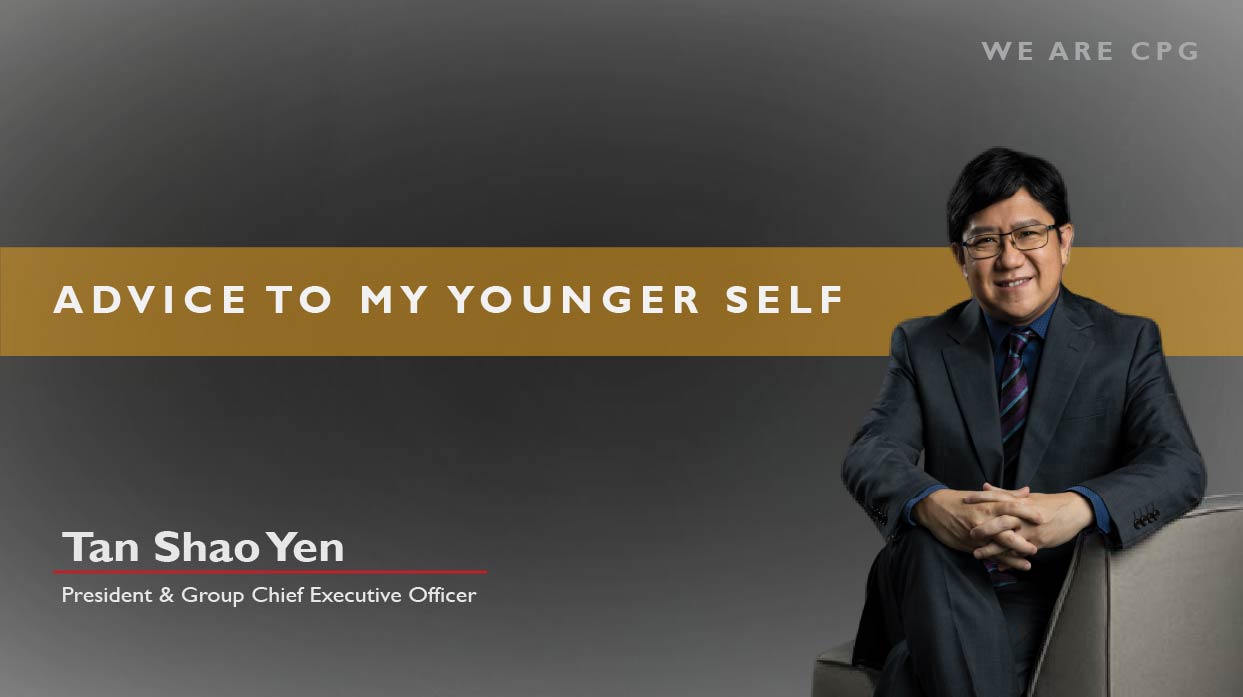
If you could write to your younger self, what would you say? Amid the hustle of busy days and constant decision-making, we rarely pause to reflect. We invited our President and Group CEO, Mr Tan Shao Yen, to do just that — look back on his journey and share the advice he would offer to his younger self, both in work and life.
In 2024, the Shanghai Municipal Government introduced the “Hupai Jiangnan” concept — a regional vision uniting Jiangnan’s traditional charm with modern vitality. CPG Consultants (Shanghai) joined a tri-expert team in over 100 co-design workshops to revitalise Shanghai’s rural character through culturally rooted, ecologically sensitive renewal.
As the impact of climate change becomes more visible and pressing, the role of climate resilience in built environment design is more critical than ever. In Singapore, where heavy rainfall and rising sea levels pose increasing risks, new national efforts are underway to protect lives, property, and infrastructure.
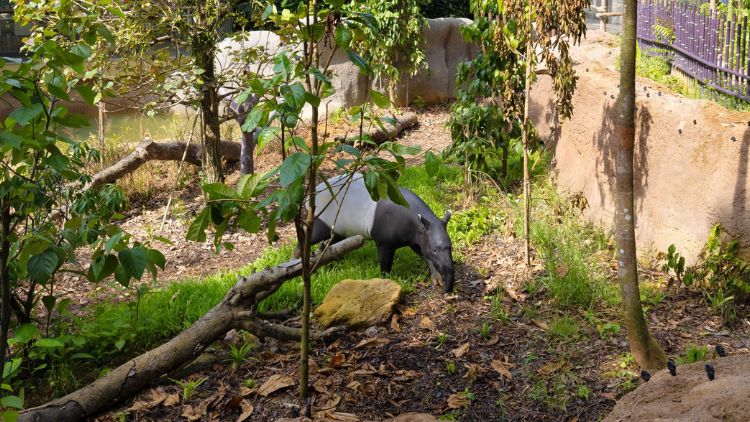
More than a traditional zoo, the 13-hectare Rainforest Wild ASIA is an adventure-based zoological park inspired by the landscapes of a Southeast Asian rainforest, where biodiversity, storytelling, and immersive design converge in a living ecosystem.
Yunluo Botanical Garden, nestled at the southern foot of Guangzhou's Baiyun Mountain, is a testament to the city's dedication to environmental conservation and urban greening.
At the 2023 International Built Environment Week, Ar Pauline Ang, Director of CPG Corporation’s Design and Research Office, spoke at a panel titled ‘Adaptive Reuse: Is It Worth It?’ discussing its social benefits and impact on city identity.
As the climate changes, building resilience helps communities adapt and minimise impacts. We speak with Lee Adam Harryman, Senior VP and Head (Climate Resilience) at CPG Consultants, about their work in addressing water security and climate resilience for long-term sustainability.
As climate change intensifies and urbanisation grows, we can aid decarbonisation by reducing reliance on energy-intensive infrastructure. CPG is committed to implementing innovative water management solutions to transform Singapore into a city in nature, enhancing residents' quality of life.
Over the past year, CPG’s Design and Research Office (DRO) has focused on adaptive reuse as a decarbonisation strategy. While typically reserved for heritage buildings, adaptive reuse can extend the lifespan of existing structures rather than demolishing them for new development.
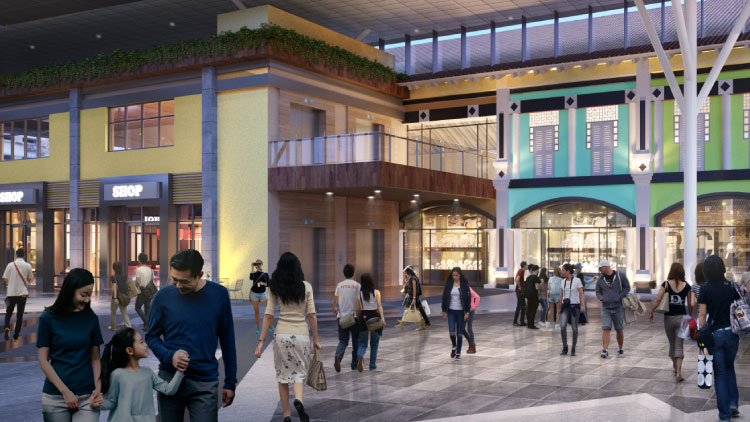
Neighbourhood shopping centres in Singapore offer convenience by providing goods and services close to residential areas. As demographics shift, revamping these centres helps them adapt to changes, improving functionality, aesthetics, and accessibility while meeting the needs of the evolving population.
Conversation With… is a series of articles featuring personalities within CPG Corporation and its diverse partners who inspire.
In this edition of 'A Conversation with...,' we engage with Project Managers, a core group of professionals who play a vital role in contributing to the successful delivery of building projects.
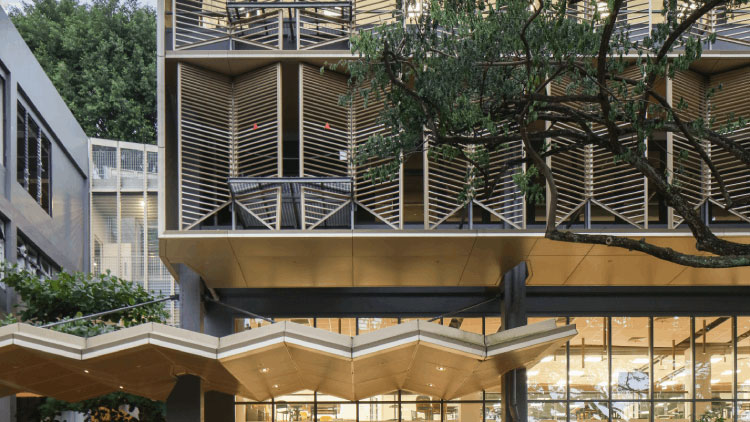
Launched earlier this year, the School of Design and Environment (SDE) 1 & 3 buildings at the National University of Singapore (NUS), is a successful adaptive reuse project resulting from the collaboration between CPG Consultants and the NUS Department of Architecture Special Projects Team.
According to Architecture 2030, construction accounts for 42% of global CO2 emissions, with 27% from building operations and 15% from embodied carbon in materials like cement, iron, steel, and aluminum. CPG’s DRO explored these issues in the Showflat Afterlives workshop.
At CPG Corporation’s Design and Research Office, our research reveals that the "old ways" of building offer valuable sustainability insights. We often find that revisiting past practices is key to advancing modern, sustainable approaches in construction.
7th September 2023 marked a new milestone for CPG Corporation and Nanyang Polytechnic’s partnership as both parties signed a Memorandum of Understanding (MoU) at BEX Asia 2023, solidifying our commitment to advance the built environment workforce in a sustainable manner.
Waterfront developments are key to creating attractive public spaces, boosting quality of life, and offering economic and ecosystem benefits. However, urban planners face challenges such as climate change threats and evolving lifestyles when planning these vital urban spaces.
Located along Orchard Road, Singapore Marriott Tang Plaza Hotel, with its iconic green-tiled pagoda roof, has been an architectural landmark since 1982. Known for its rich history, the hotel remains a favourite among guests and a symbol of luxury.
Located within the Jurong Innovation District, the four-storey tall 22,300 sqm Block B of CleanTech Two (CT2B) @ CleanTech Park was built to meet the rising demand for offices, laboratories and workshops specialising in cleantech-related research and development activities.
What is Life-Cycle-Cost Analysis (LCCA)?
The concept of Sustainability has become increasingly important in our everyday lives as sustainable development helps to protect, preserve and conserve our natural environment for future needs.
Recently, people have developed a greater appreciation for outdoor spaces and their physical and mental health benefits, especially post-pandemic. As communities seek spacious public areas, interest in waterfront developments grows, with urban waterfronts continuously attracting attention.
This year, engineers Geoshua Tan, Jaime Doan, and Kristian Tung were awarded the ACES Young Consulting Engineer of the Year (2022) for their contributions. We spoke with them to learn about their views on the industry, inspiration, and CPG’s corporate culture.
Singapore’s first Deepwater Ocean Basin research facility opened on 26 July 2022 at TCOMS. The facility plays a key role in advancing research and development in marine and offshore engineering by simulating ocean environments impacted by climate change.
The Mandai Wildlife Group is driving an exciting rejuvenation plan at Mandai Wildlife Reserve that will integrate five wildlife parks with distinctive nature-based experiences, green public spaces and an eco-friendly resort.
The Impetus for Evidence-Based Planning (EBP)
As many cities grow and evolve, so do the elements of the urban planning process that are used to incept, design, and build it. In today’s evolving world, urban planning calls for the anticipation of natural crises and technological breakthroughs, which in turn require urban plans to be resilient and flexible.
According to the “World Ageing Population Highlights 2020” published by the United Nations, the world continues to experience an unprecedented and sustained change in the age structure of the global population, driven by increasing levels of life expectancy and decreasing levels of fertility.
In the previous blog post, we examined the underlying structural shifts caused by endemic living. In this second blog post, let’s discuss how some of the new trends will shape the future transformations of retail and community services.
Endemic Living: The New Normal
In recent months, Singapore has begun the transition to endemic living. Essentially, it is widely accepted that COVID-19 will not be entirely eradicated, and will continue to circulate in some parts of the global population for years to come.
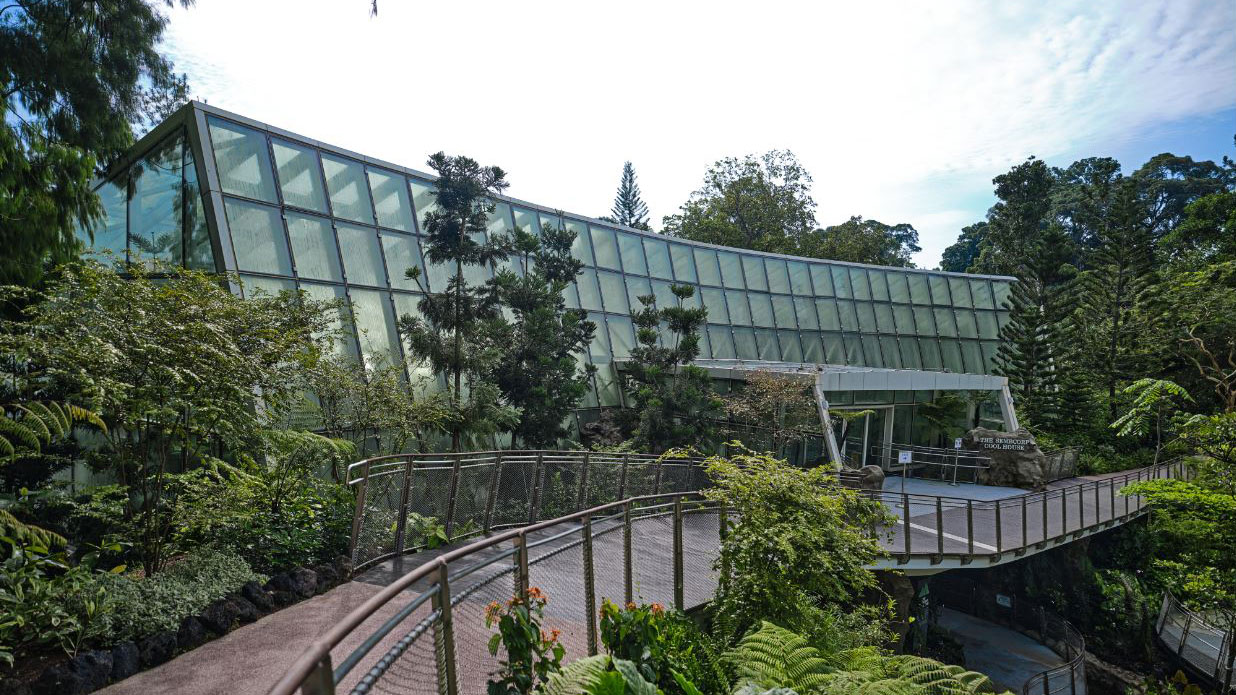
The newly enhanced National Orchid Garden officially opened on 03 April 2021. As the Architectural Consultant for the enhancements as well as the Cool House, CPG is excitedly anticipating the positive impact of these efforts made to promote orchid biodiversity conservation.
In our previous blogpost “The Pandemic Resilient Workplace of the Future (I)”, we discussed how flexibility and health-consciousness would become important considerations of the future workplace design. In this article, we shall be looking at 2 other guiding principles of future workplace design.
Conversation with… is a series of articles featuring personalities within CPG Corporation and its diverse partners who inspire.
The 10th Lee Kuan Yew Global Business Plan Competition (LKYGBPC), organised by Singapore Management University’s (SMU) Institute of Innovation and Entrepreneurship (IIE) has been titled ‘Reimagine Smart, Sustainable and Resilient Cities’, with various verticals on sustainable urban innovations.
As COVID-19 rocked the year 2020, one of its most tangible impacts was how people’s lifestyles had to change. The world of institutional and commercial facilities has also learnt a great deal from the pandemic, it has propelled FM professionals to use this opportunity to relook current systems and meet the changing demands of the built environment.
As companies and schools switched predominantly to digital platforms for activities during COVID-19 and non-essential trips are discouraged, there is a significant paradigm shift in travel characteristics of people. Different modes of travel, changes in time, and durations, as well as purposes of travel have created a new norm, which the existing transportation networks will not be able to support optimally in terms of operations.
Conversation With… is a series of articles featuring personalities within CPG Corporation and its diverse partners who inspire.
The Built Environment (BE) has greatly transformed and today, we live in a very crowded, urbanised world where peoples’ expectations of the built environment are constantly evolving. In addition, the emergence of COVID-19 has brought about a new understanding of the built environment.
Pandemics are not new to humankind. As human population increased, aided by widespread trade and interaction, humankind has experienced and survived many pandemics. One of the most notorious is the Black Death (Bubonic Plague) in 1347 to 1351 where it was estimated that 200 million people perished. In the last century alone, the world has seen no less than 10 pandemics from the Spanish Flu (1918 to 1919) to HIV/AIDS (1981 to present) and SARS (2002 to 2003).
As the world is rapidly transforming, there has been ongoing conversation regarding how work and workplaces will be transformed. In the discussion of these trends, several driving forces are identified, namely: new modes of business activities, rapid introduction of new technologies, digitalisation, changing social norms, and new generations of workers who are increasingly digital-savvy with different lifestyle needs.
As urban planners, we believe that public spaces are integral to the resiliency of a community. During the COVID-19 pandemic, we made several observations which we believe are useful in designing ideas and solutions to create a pandemic resilient community.
Every education provider seeks to nurture individuals to not only further develop their strengths but also to develop certain desirable outcomes at the end of their formal education.
The emergence of COVID-19 has caused hospitals around the world to face unprecedented strain and put the spotlight on healthcare sectors globally. Effective management and prevention of infectious diseases become significant, with focus placed on healthcare facilities that can achieve “Infection Control”.
Over the last couple of decades, infectious diseases seem to be evolving, requiring different forms of treatment and containment procedures. Highly infectious diseases are mostly viral and bacterial infections that are easily transmissible from person to person, cause a life-threatening illness with no or few treatment options, and pose a threat for both personnel and the public.
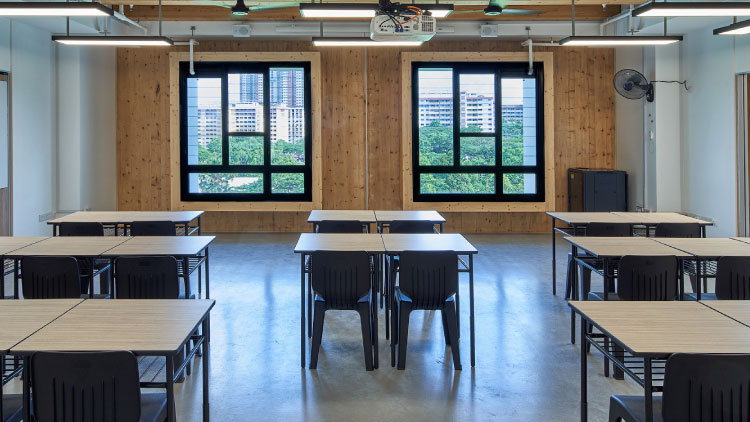
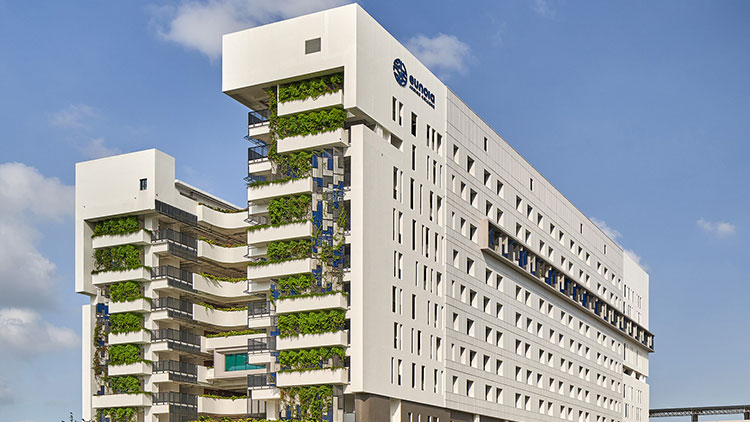
Eunoia Junior College (EJC) is very much an architectural essay on integration and intensification. With a site of 4 hectares, which is about a third smaller than the conventional site area for junior colleges, our design challenge was to create an integrated learning environment that fosters interaction whilst meeting the diverse learning needs of the students.
Even as built environment professionals embrace biophilic design, CPG seeks to question and push the boundaries of integrating nature into our structures and spaces. One possible exploratory approach to this is Biotic Design.
Whether you are looking for a scenic stroll or to reconnect with nature, the revitalised Lakeside Garden within Jurong Lake Gardens situated in the Jurong Lake District will not disappoint.
Conversation With… is a series of articles featuring personalities within CPG Corporation and its diverse partners who inspire.
In a world of burgeoning healthcare costs, how can healthcare providers collaborate with architects and engineers to broaden access to necessary healthcare?
Singapore, 20 June 2019 – CPG Corporation Pte. Ltd. (CPG), one of Asia-Pacific’s leading multi-disciplinary infrastructure and building management consultancy, and Global innovation consultancy, Consulus Pte. Ltd., assembled over 300 diverse leaders and stakeholders from across 16 nations in a 2-days creative summit at Singapore’s National Design Centre on 20th and 21st June 2019.
Speak about buildings being green, and chances are images of renewable energy, carbon-neutrality and net-zero energy use come to mind. However, as previously pointed out, do such commonly found ‘green’ and ‘eco-conscious’ elements really bring people closer to the natural environment?
There is a common misconception that the facilities management sector handles only the up-keeping, operations and maintenance activities of buildings. In reality, the role of facilities management goes beyond operations and maintenance – FM plays an integral and key role in the pursuit for environmental sustainability and a healthy and comfortable space for its occupants and users.
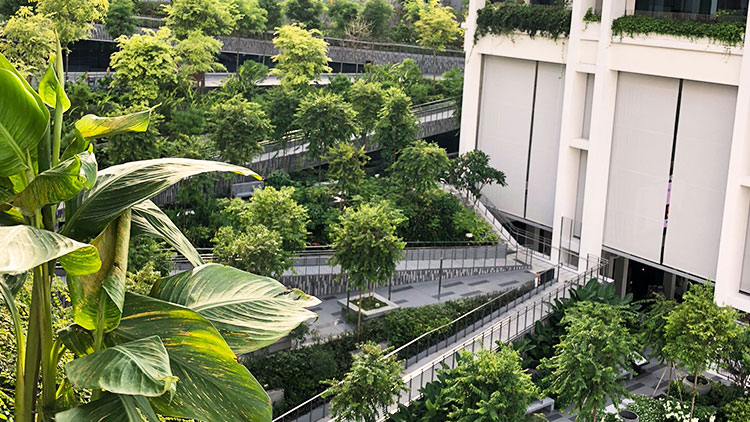
Many ASEAN countries developed based on traditional agriculture. Most cultures in the region in turn, share a deep affinity with nature and greenery. Even Singapore, which doesn’t boast quite the same agrarian roots as its neighbours, envisions itself as a “City in a Garden”.
A region of rich diversity faced with rising fault lines means it cannot be business as usual for such initiatives. On the 9th of May, as the ground shook and toppled the ruling party of Malaysia, the aftershocks threaten to ground the fast-tracked infrastructure projects – estimated at USD$120 Bn – that Najib once touted would help the country leap into the league of advanced nations.
We Singaporeans are (quite justifiably!) proud of our food culture, and hawker centres have for decades been an integral part of that. Within the space of a single hawker centre, Singaporeans have access to a cornucopia of delicious food options from a multitude of racial and ethnic backgrounds.