CPG Sets Benchmark for “Hupai Jiangnan” Village Design
In 2024, the Shanghai Municipal Government unveiled the “Special Urban Plan for the Protection and Inheritance of Characteristic Village Styles” in Shanghai. The plan introduced for the first time the concept of “Hupai Jiangnan” (沪派江南), a regional vision that blends the traditional charm of Jiangnan with the contemporary vitality of modern Shanghai.
More than just a planning framework, “Hupai Jiangnan” represents a distinctive approach to preserving and revitalising Shanghai’s rural character. Rooted in the city’s cultural and ecological heritage, it seeks to protect the authentic landscapes of Jiangnan water towns, including their canals, village layouts and scenic textures, while allowing them to evolve naturally. The concept focuses on nurturing their poetic essence through thoughtful renewal rather than uniform reconstruction.
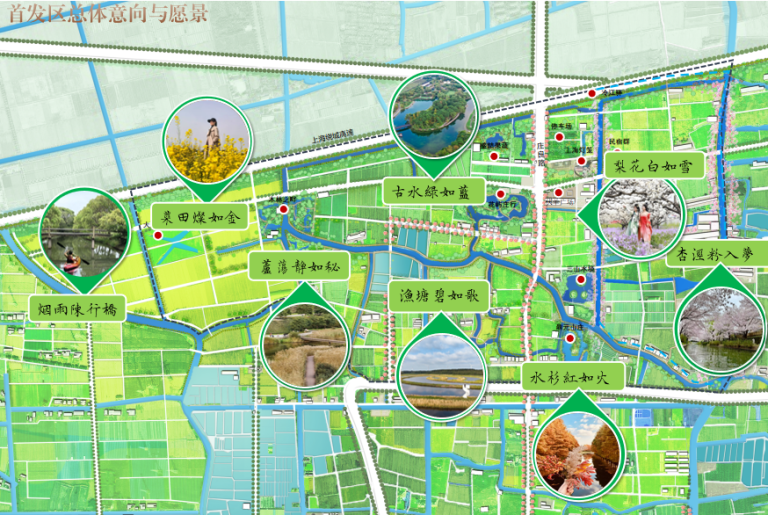
Guided by a system of “Six Zones, Eight Corridors, and Twelve Imagery Themes” (六域、八脉、十二意象), the plan identifies 148 distinct landscape units and has launched 15 pilot villages in its first phase. These pilot sites serve as living examples of how tradition and modernity can coexist in harmony within Shanghai’s evolving countryside.
The initiative also pioneers a “Tri-Expert Collaborative Model”, creating a cross-disciplinary and cross-border platform for cooperation that integrates the strengths of various expertise, all working together to safeguard and enhance the character of Shanghai’s rural environment.
Collaboration Across Borders and Disciplines
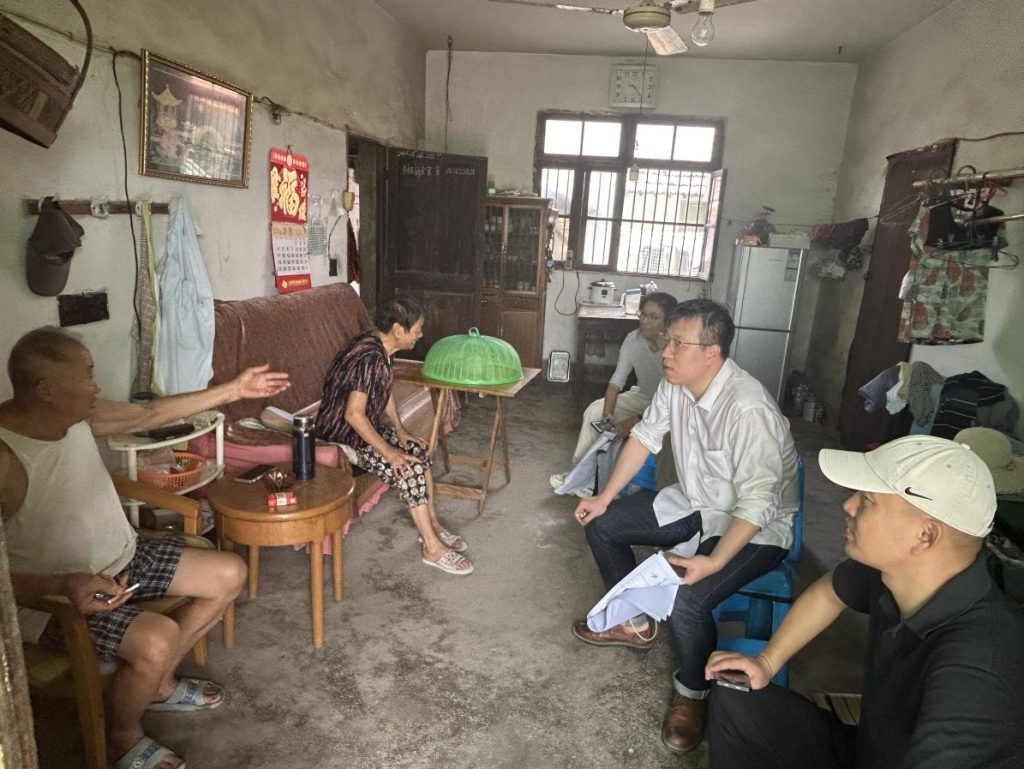
The tri-expert team — comprising CPG Consultants (Shanghai), Shanghai Institute of Landscape Design and Research, and Tsinghua University Architectural Design and Research Institute, collaborated closely with district, township, and village-level governments, as well as local businesses and farming households, holding over 100 co-design workshops. Through these engagements, the team captured community needs and aspirations. Leveraging the region’s millennia-old water heritage, the team integrated ecological restoration, cultural preservation, and industry revitalisation into a unified strategy, ultimately creating the “One Stream through Eight Scenes” (一水串八景) cultural landscape corridor.
Hupai Jiangnan Design Dialogue
Community fieldwork by the Tri-Experts team
Breakthroughs in Culture, Ecology, and Industry
The project achieved several key innovations:
Cultural Dimension: By deeply excavating the area’s historic water culture and creatively reinterpreting it, the team breathed new life and contemporary meaning into intangible heritage.
Ecological Technologies: Advanced water environment remediation strategies introduced a green, sustainable development model tailored to the local context.
Industrial Integration: The seamless blending of rural industry and landscape planning catalysed new economic momentum and diversified development pathways.
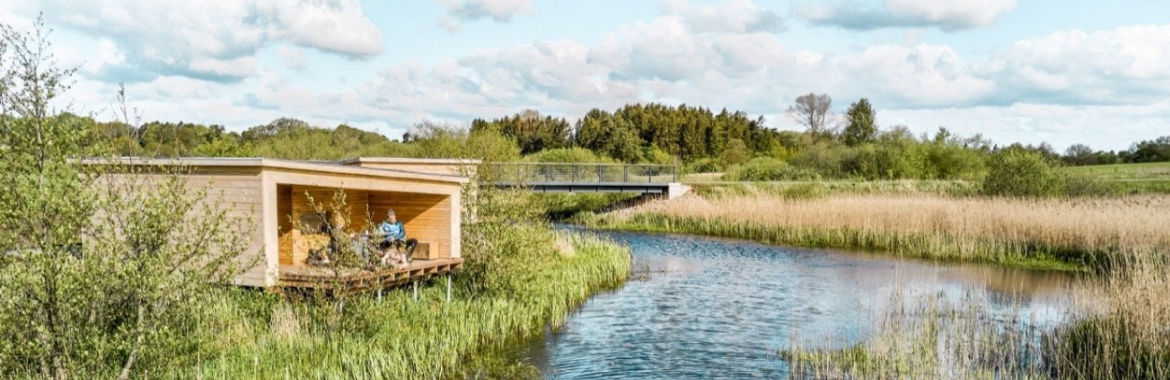
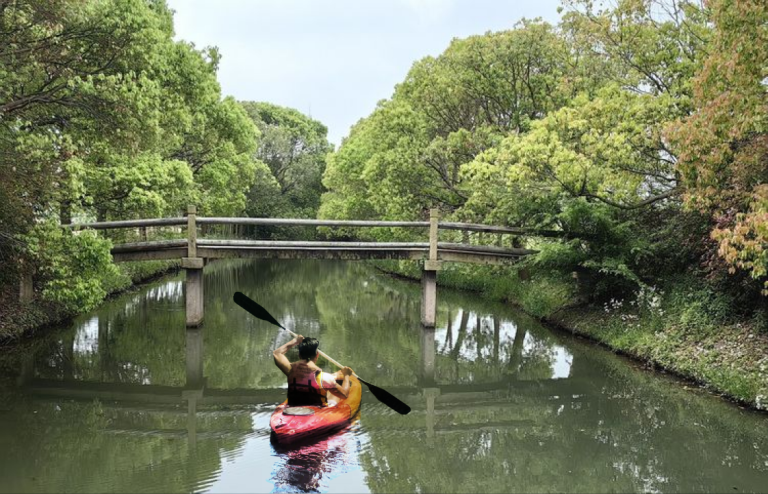
Iconic design interventions include the transformation of the initial development zone, comprising the Western Field, Central Wetland Corridor, and Eastern Island Farmland and revitalised heritage features like Chenxing Bridge and Qianshe Pond, along with enhanced natural assets such as the Reed Wetland.
Initial Development Zone: Western Farmlands, Central Wetland Corridor, and Eastern Island Fields
“One Stream through Eight Scenes” cultural landscape corridor
Conceptual Enhancements for Chenxing Bridge (East) and Qianshe Pond
Public Exhibition and Wider Impact
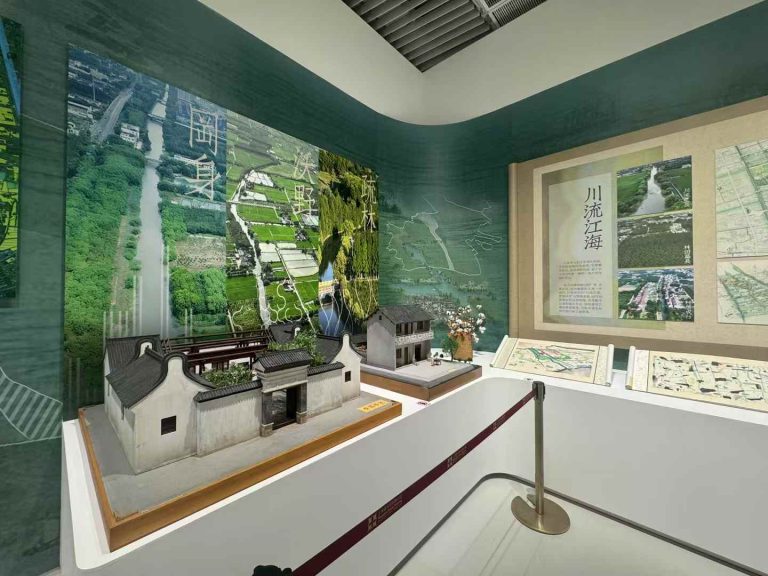
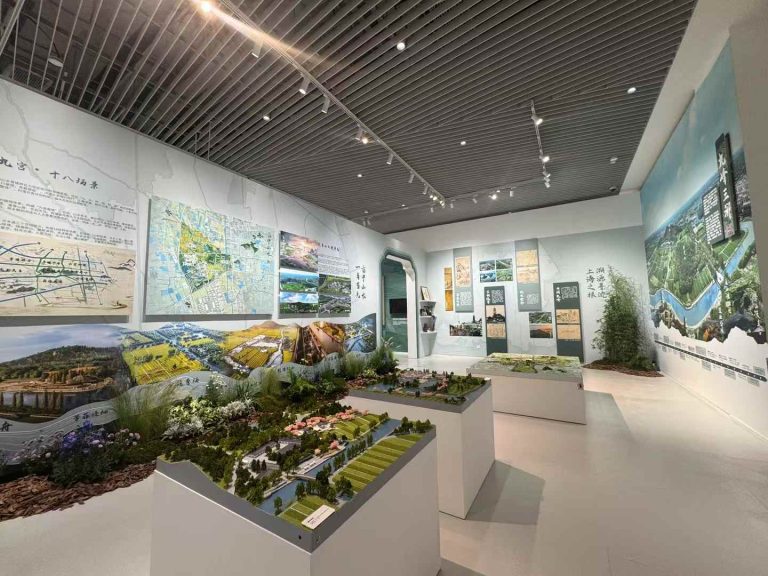
In May 2025, the Shanghai Urban Planning Exhibition Centre launched an exhibition titled: “Sunrise Over the River — Hupai Jiangnan Village Design Pilot Showcase.”
Through 3D physical models and a digital twin platform, the exhibition fully illustrated the integration of ecology, culture, and rural industry in a cutting-edge planning model.
The showcase attracted over 20,000 visitors, including municipal leaders, industry experts, and international guests, and was featured in a special report by Wenhui Daily.
As a flagship of Shanghai’s rural revitalisation strategy, the successful experience of the Pan Dian pilot area is set to be replicated in other villages, serving as a reference model for international rural regeneration efforts.
The Zhuangxing–Pandian Pilot Project featured in the Landscape and Culture Showcase of the Hupai Jiangnan Exhibition
Looking ahead, CPG will continue to draw on global expertise and an innovative mindset to deliver design solutions that are both culturally grounded and responsive to contemporary needs. By fostering cross-cultural and interdisciplinary collaboration, the team remains committed to shaping places that honour heritage while embracing the future, thus contributing to more thoughtful, connected, and resilient communities worldwide.